Why producers consider Khaki Campbell
The breed is relevant to farms developing a duck-egg business or maintaining breeding flocks. Egg numbers depend on strain, lighting, feeding and flock age; avoid comparing unsupported annual production promises. Performance depends on flock health, egg age, hatchery settings and farm management. Published breeder objectives are planning tools, not a guarantee for a shipped batch.
Production goals and market fit
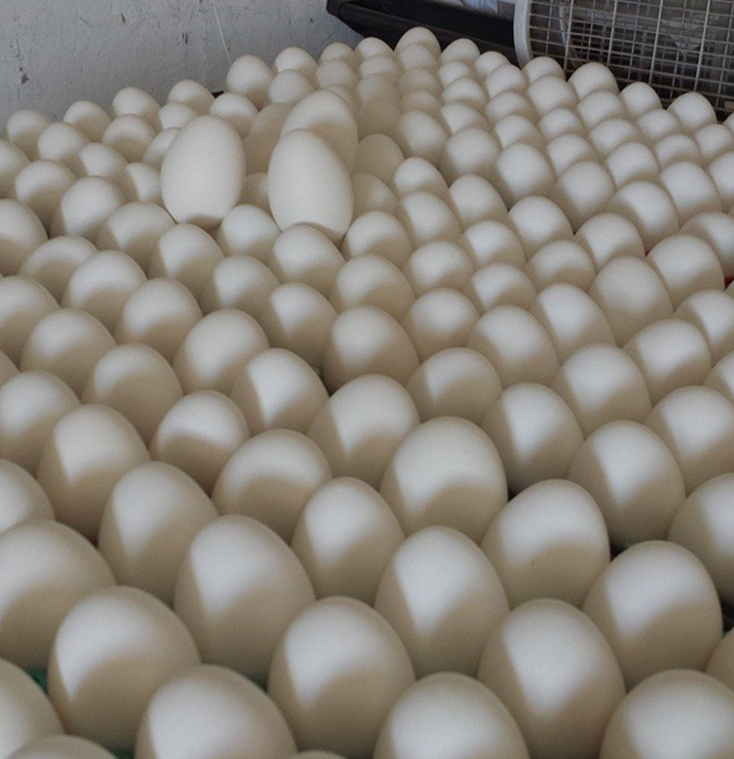
Consider Khaki Campbell for duck-egg farms, breeding projects and specialist hatcheries. Its smaller egg-oriented body type should not be advertised as equivalent to a meat-focused Pekin cross. For a commercial order, give your target output, current facilities and placement schedule so that the proposed supply fits an actual production plan.
Khaki Campbell in Africa, Europe and North America
Warm regions require shaded, well-ventilated resting space and dependable water. In Europe and North America, weather protection and a consistent lighting programme help support a planned laying cycle. Regional relevance is not a promise of unrestricted export. Veterinary authorities decide whether the source country, flock and product can enter a destination; current animal-health restrictions may prevent supply.
Same-day eggs and collection-age control
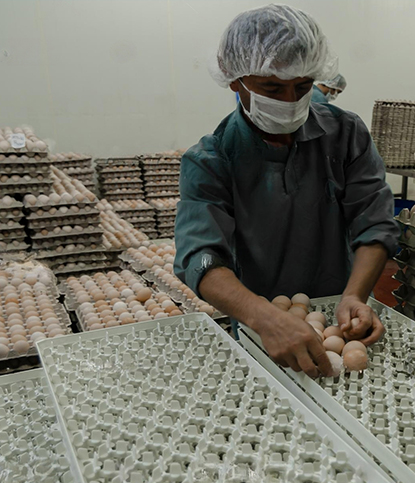
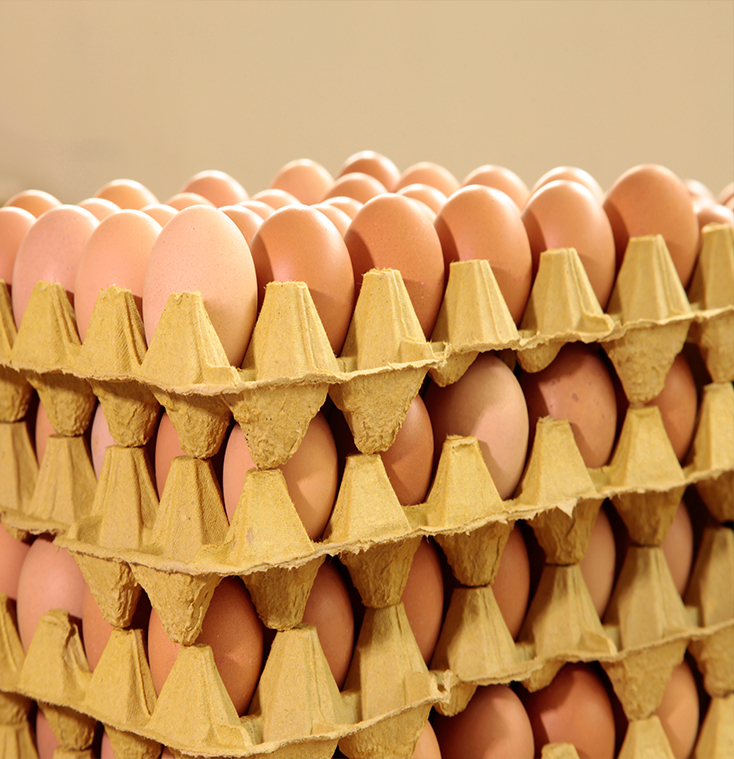
Our egg export policy is to supply same-day-produced eggs and dispatch no later than 24–48 hours after production. Fresh collection is planned around a confirmed flight, not a long holding period. For Khaki Campbell, request the production date, collection batch and planned setting date with your quotation.
- Same-day eggs selected for export
- Dispatch within 24–48 hours of production
- Plan incubation within 7 days of production